

Why do niche perfumes cost more?
Niche perfumes are often more expensive because they prioritize composition quality, creative direction, and distinctive ingredients rather than large-scale mass production.
Unlike mainstream fragrances designed for wide commercial appeal, niche perfumes are created with a focus on character, originality, and craftsmanship.
The higher price typically reflects the structure of the formula and the philosophy behind its creation.
The Difference Between Niche and Mass-Market Production
Designer fragrances are often produced for global distribution in very large quantities.
Niche perfume houses usually operate on a smaller scale, focusing on fragrance composition rather than volume.
Smaller production runs can increase the cost of materials, development, and distribution.
Ingredient Quality and Composition
One of the main reasons niche perfumes can be more expensive is the selection of ingredients.
Certain raw materials such as oud, amber accords, natural resins, or complex musks require careful formulation and sourcing.
More complex compositions also require longer development processes.
Creative Freedom in Perfume Design
Many niche perfume houses allow perfumers greater artistic freedom.
Instead of designing a scent to match current trends, the goal is often to create a fragrance with a distinct olfactory identity.
This creative approach often results in more unique compositions.
Packaging, Production, and Brand Philosophy
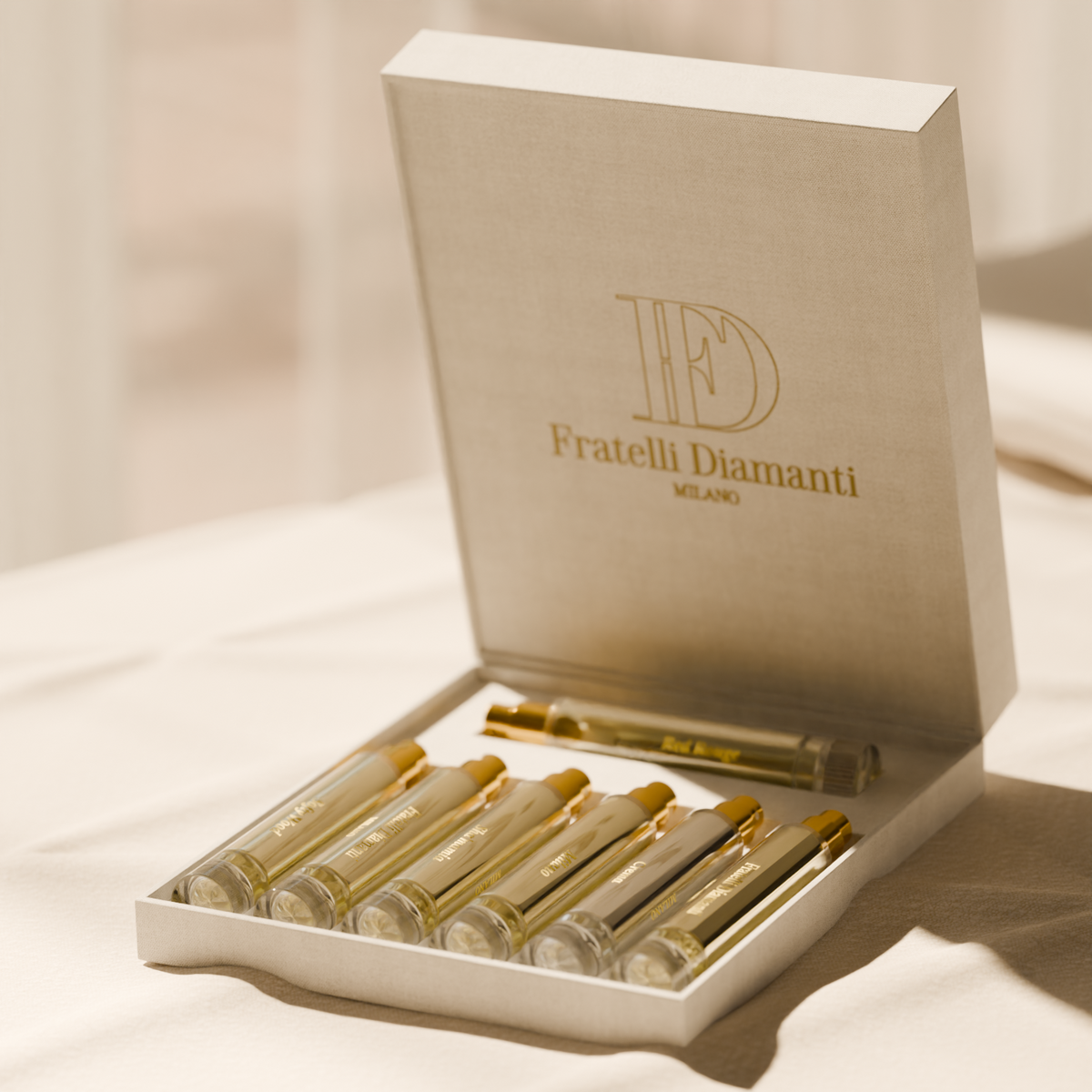
Niche brands often emphasize attention to detail in presentation, production, and storytelling.
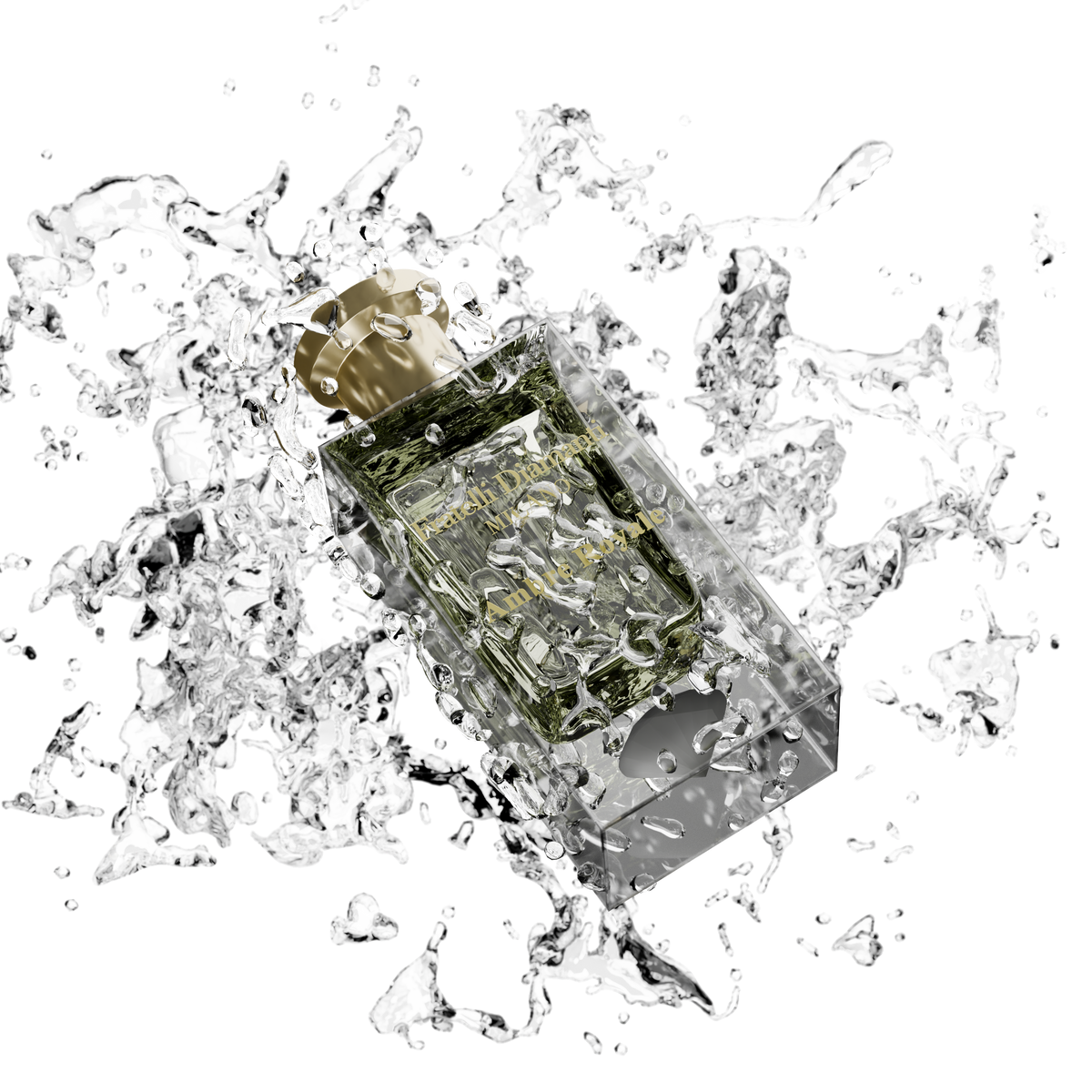
From bottle design to fragrance structure, the goal is usually to create a complete sensory experience rather than simply a commercial product.
Conclusion
Niche perfumes are often more expensive because they emphasize creativity, composition quality, and distinctive ingredients.
Rather than following trends, niche fragrances aim to create a unique identity.
For many fragrance enthusiasts, this artistic approach is what defines the true value of niche perfumery.

Comments