
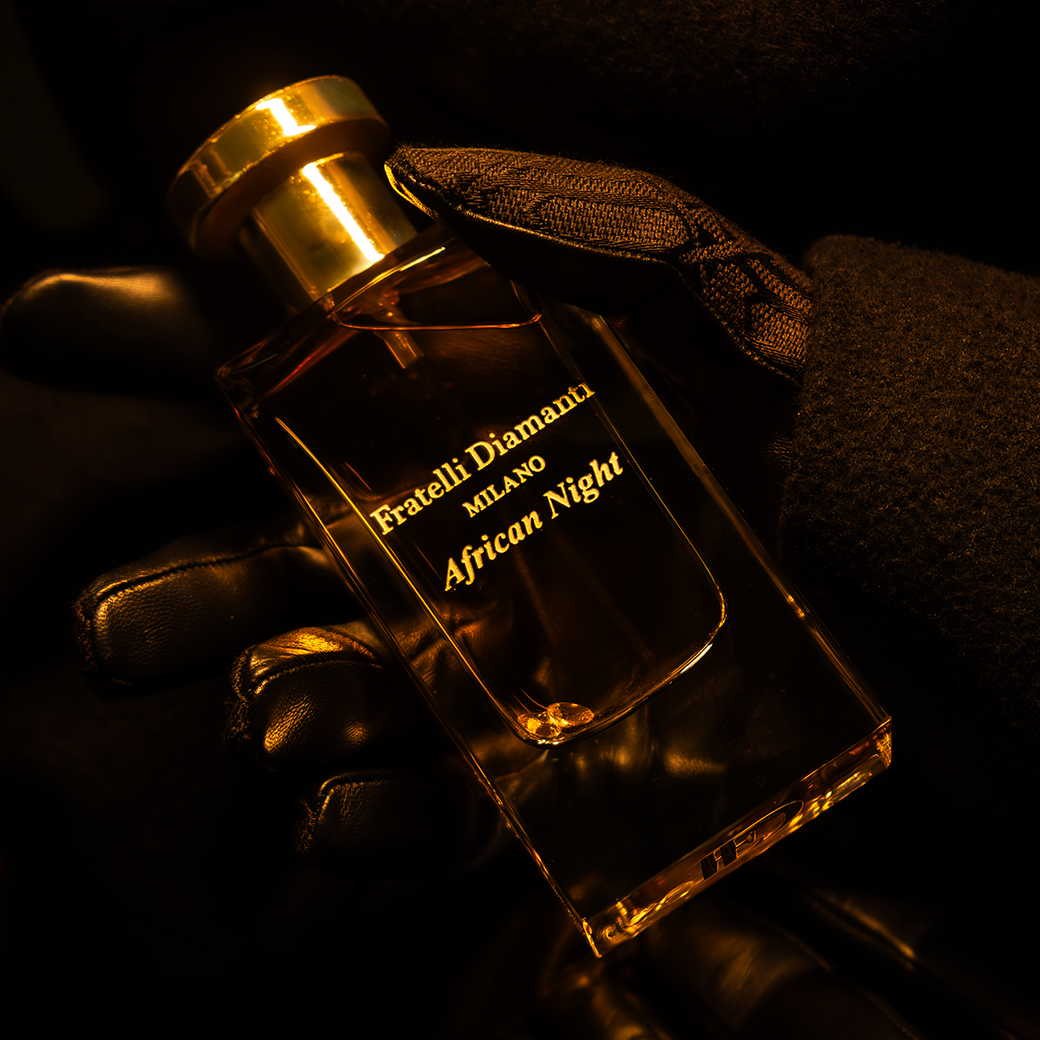
Fall has always changed the way we experience fragrance.
As bright summer citrus, aquatic notes and airy compositions begin to give way to richer textures, perfume naturally becomes warmer, deeper and more tactile.
But fall 2026 is not simply about wearing heavier fragrances.
Something more interesting is happening.
Familiar notes are being reinterpreted. Vanilla is becoming less sugary. Fruit is turning darker and more sensual. Leather is becoming softer. Gourmand fragrances are evolving beyond desserts and confectionery.
The defining idea behind the fall fragrance trends of 2026 is not intensity.
It is complexity.
This season is about contrast: sweetness against woods, fruit against leather, warmth against freshness and comfort against something slightly unexpected.
What Fragrance Notes Are Trending in Fall 2026?
The most prominent fragrance directions for fall 2026 include:
- Gourmand 2.0 fragrances
- Tonka bean
- Plum, black cherry, blackcurrant and other dark fruits
- Leather and suede accords
- Amber and warm woods
- Cardamom, saffron and pepper
- Coffee, tea and unconventional gourmand notes
- Musk and soft woody compositions
Many of these materials are not new to perfumery.
What has changed is how they are being used.
The most interesting fragrances of the season combine familiar notes in less predictable ways, creating scents that may feel recognizable at first but reveal greater complexity as they develop on the skin.
Gourmand 2.0: Sweet Fragrances Are Growing Up
Gourmand fragrances have been one of the strongest movements in modern perfumery for several years.
Vanilla, caramel, chocolate, coffee, cream and dessert-inspired accords have become almost impossible to ignore.
But in 2026, gourmand is evolving.
The new generation of gourmand fragrance is less interested in simply smelling edible.
Instead, sweetness is being paired with ingredients such as cardamom, saffron, sesame, coffee, tea, woods, tonka bean and even boozy accords.
Think less dessert. More atmosphere.
A vanilla fragrance can feel completely different when surrounded by dry cedarwood, warm amber or aromatic spices.
This evolution is often described as Gourmand 2.0: a more dimensional, textured and sophisticated interpretation of gourmand perfumery.
The comfort remains, but the result feels less obvious.
Sweet without necessarily becoming sugary. Warm without becoming predictable. Indulgent without losing character.
This more sophisticated approach also explains why vanilla continues to remain relevant. The note itself has not disappeared; it is simply being placed in more interesting surroundings.
Tonka Bean Steps Out of Vanilla's Shadow
One of the most interesting fragrance notes for fall 2026 is tonka bean.
Tonka is often associated with vanilla because both can create warm, soft and slightly sweet impressions.
But tonka is much more complex.
Depending on the composition, it can feel creamy, almond-like, woody, powdery or even subtly tobacco-like.
That versatility makes it particularly relevant to the current evolution of gourmand perfumery.
Tonka can soften leather. It can deepen vanilla. It can bring warmth to woods. And it can create a smooth bridge between sweet and dry elements within the same fragrance.
For fall, that balance is especially appealing.
When temperatures begin to drop, tonka can create warmth without necessarily producing the dense sweetness associated with traditional vanilla-heavy perfumes.
Expect to see it increasingly combined with sandalwood, amber, leather, spices and darker woods.
Dark Fruits Replace the Bright Fruits of Summer
Fruit does not disappear when summer ends.
It simply becomes darker.
During warmer months, fragrance often gravitates toward sparkling citrus, tropical fruit, peach and other luminous, juicy accords.
Fall 2026 explores another side of fruit.
Plum. Black cherry. Blackcurrant. Blackberry. Fig. Raspberry.
These notes create a richer, moodier and often more sensual impression.
This direction is sometimes described as “gothic fruit”.
The expression captures the atmosphere well.
These are not necessarily bright, playful fruit fragrances.
Dark fruits are increasingly paired with amber, leather, patchouli, musk, spices and woods to create much greater depth.
Fruit becomes part of the texture of the fragrance rather than simply its decoration.
The result can feel mysterious, warm, seductive or slightly dramatic.
It also challenges the old idea that fruity fragrances belong primarily to spring and summer.
The season does not depend solely on the fruit itself. It depends on the world built around it.
Leather and Suede Become Softer
Leather fragrances once carried a very specific reputation.
Dark. Powerful. Smoky. Traditionally masculine.
That image is changing.
One of the defining movements in contemporary leather perfumery is the use of softer contrasts.
Leather can now appear alongside fruit, flowers, vanilla, tonka bean, musk or clean woods.
Instead of recreating the smell of heavy leather itself, many modern compositions focus on texture.
This is where suede becomes particularly interesting.
Suede can create an impression that feels soft, velvety and almost tactile.
It connects naturally with the sensory language of fall.
Cashmere. Wool. Leather. Suede. Warm fabrics.
A fragrance can almost feel like something you could touch.
This also reflects a broader change in how luxury fragrance is being interpreted.
A perfume does not need to be overwhelmingly powerful to communicate depth.
Sometimes softness creates a stronger impression than volume.
Amber and Woods Remain the Language of Fall
Trends evolve, but some fragrance families remain closely connected with autumn.
Amber and woody fragrances are among them.
What changes is the way those materials are interpreted.
In 2026, the most interesting amber compositions often balance warmth with dry woods, musk, spices or mineral textures.
The result is not simply sweeter or heavier. It is more layered.
Cedarwood is particularly useful during the transition from summer to fall.
It can give a fragrance structure without removing freshness entirely.
That makes woody compositions especially versatile during September and October, when warm afternoons and cooler evenings can exist within the same day.
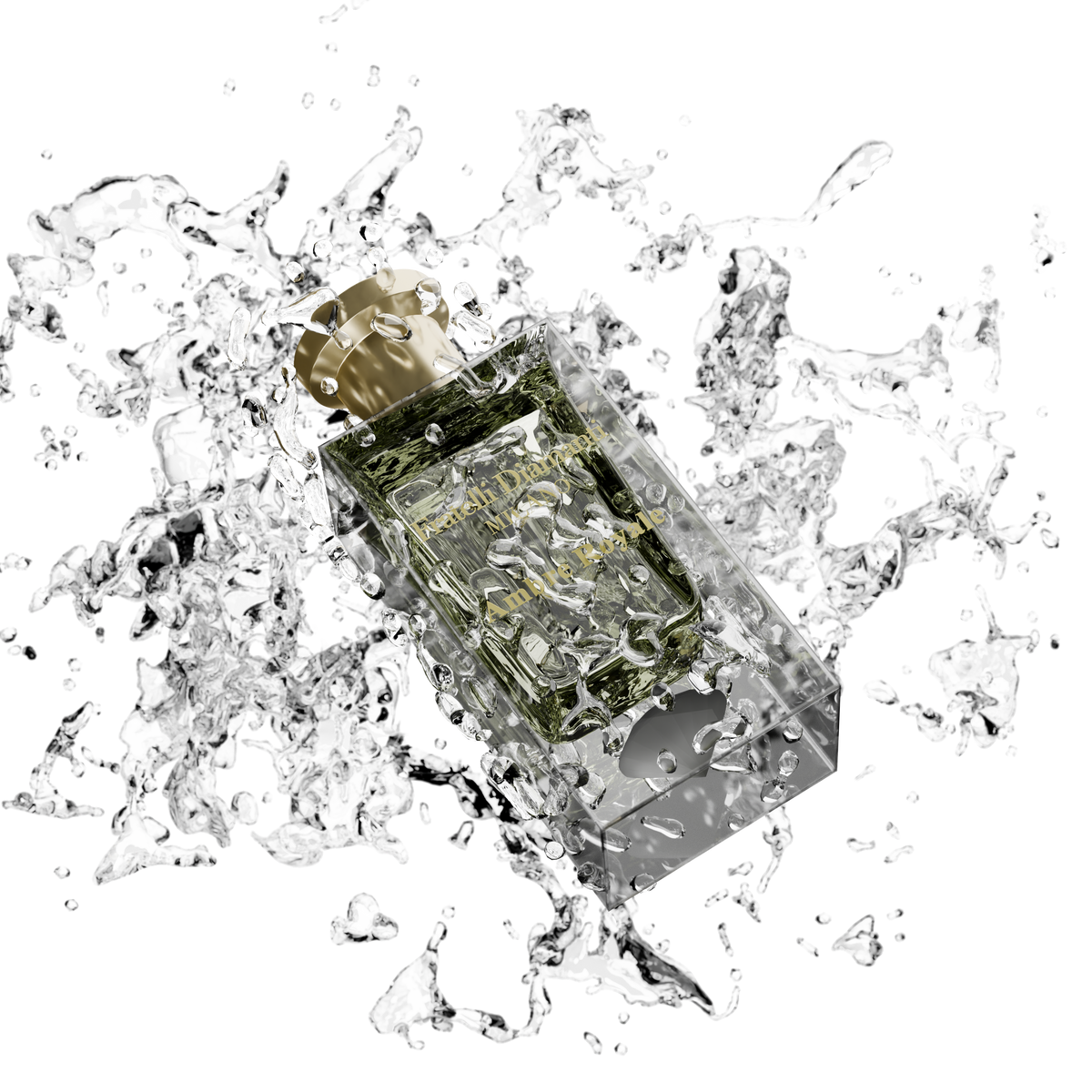
Ambre Royale by Fratelli Diamanti reflects this balance through sage, cypress and cardamom, followed by patchouli and cedarwood, with musk, vanilla, ambergris and cashmere in the base.
It carries warmth and depth while maintaining an elegant aromatic character.
Spice Is Becoming More Sophisticated
Spicy fragrance for fall is hardly a new idea.
But spice in 2026 goes far beyond cinnamon.
Cardamom. Saffron. Pink pepper. Black pepper. Nutmeg.
Each can create a completely different sensation.
Cardamom can feel aromatic and almost fresh despite its warmth.
Black pepper brings dryness and contrast.
Saffron can create a warm, slightly leathery and almost tactile impression.
The most interesting fall fragrances use spice not simply to create heat, but to create tension.
Warm but not heavy. Sweet but not childish. Dark but not closed.
Spices can transform familiar ingredients, changing the way woods, vanilla, amber or even fruit are perceived.
That complexity is one of the strongest themes running through fragrance in 2026.
Does a Fall Fragrance Have to Be Heavy?
No.
This may be one of the most important distinctions to make when choosing a fall perfume.
Cooler weather does not automatically mean choosing the strongest, darkest or sweetest fragrance available.
Early fall in particular is a transitional season.
September afternoons can still be warm while evenings become noticeably cooler.
That makes aromatic, woody and musky fragrances extremely useful.
A fragrance can feel appropriate for autumn without relying on heavy amber or vanilla.
Shades of Grey by Fratelli Diamanti is one example of this balance.
Bergamot, grey amber, cedar, patchouli, vetiver, musk and leather create a structure that combines freshness with depth.
It does not need to become overwhelmingly heavy in order to leave a memorable impression.
Ten Miles offers another direction for those who prefer a refined, versatile character.
Your fall fragrance wardrobe does not have to consist entirely of dark, sweet perfumes.
Balance matters more than weight.
The Line Between Men's and Women's Fragrance Continues to Blur
Another important fragrance trend of 2026 is not about a particular ingredient.
It is about how people choose perfume.
Fragrance is increasingly being explored through mood, personality and scent profile rather than traditional gender categories.
Fruit does not automatically make a fragrance feminine.
Leather does not automatically make it masculine.
Vanilla does not belong to one gender.
The surrounding composition determines how a note behaves.
Instead of beginning with “Is this a men's fragrance or a women's fragrance?”, it can be more useful to ask:
- Do I want something warm or fresh?
- Dry or creamy?
- Sweet or woody?
- Clean or dark?
- Intimate or noticeable?
Those questions often tell you much more about whether you will actually enjoy wearing a fragrance.
This shift is also one reason niche and unisex perfumery continue to feel increasingly relevant.
The fragrance itself becomes the identity. Not the label attached to it.
Fragrance Is Becoming a Wardrobe, Not a Uniform
For decades, finding a “signature scent” was considered one of the ultimate goals of perfume.
The idea was simple: find one fragrance that represents you and wear it everywhere.
That approach is changing.
In 2026, fragrance is increasingly treated in the same way as fashion.
A different scent for a different mood. Something lighter during the day. Something deeper for the evening. A different composition when the season changes.
This concept is often described as a fragrance wardrobe.
It also connects directly with the growing interest in fragrance layering and scent stacking.
Rather than expecting one bottle to communicate every side of your personality, fragrance can change with context.
That does not make perfume less personal.
It may actually make it more personal.
Because identity is rarely one-dimensional.
How to Choose a Fall Fragrance in 2026
Following fragrance trends does not mean buying whatever note happens to be fashionable.
A better approach is to use trends as a map.
If You Enjoy Warmth and Softness
- Tonka bean
- Vanilla
- Almond
- Amber
- Sandalwood
If You Prefer Something Darker and More Mysterious
- Plum
- Blackcurrant
- Leather
- Incense
- Patchouli
- Dark woods
If You Want Something Cleaner but Still Appropriate for Fall
- Cedarwood
- Musk
- Tea
- Vetiver
- Aromatic herbs
- Cardamom
Then allow the fragrance time to develop on your skin.
Perfume cannot be fully understood from an ingredient list or from the first few seconds after spraying.
The opening introduces the fragrance. The heart begins to reveal its character. And the base often tells you what the perfume truly becomes.
This is particularly important with autumn fragrances, where woods, musks, amber, leather and tonka may become much more noticeable during the dry down.
Fall 2026 Is About Character, Not Just Warmth
Look at the biggest fall fragrance trends of 2026 together and a clear pattern emerges.
Gourmand is still here. But it is less sugary.
Fruit is still here. But it is darker.
Leather is still powerful. But it is softer.
Vanilla is still loved. But it is increasingly surrounded by woods, tonka, spice and unexpected textures.
Perhaps the biggest fragrance trend of fall 2026 is not any individual note.
It is contrast.
Sweet and dry. Soft and powerful. Fresh and warm. Familiar and unexpected. Light and shadow.
Because the most memorable fragrances rarely communicate only one idea.
They evolve.
And fall may be the perfect season to let that complexity unfold.
Frequently Asked Questions
What are the biggest fragrance trends for fall 2026?
Some of the biggest fall fragrance trends of 2026 include Gourmand 2.0, tonka bean, dark fruits such as plum and black cherry, leather and suede accords, amber, warm woods and sophisticated spices such as cardamom and saffron.
What is Gourmand 2.0?
Gourmand 2.0 refers to a more sophisticated interpretation of traditional gourmand perfume. Rather than relying entirely on sweet notes such as vanilla or caramel, these fragrances combine edible elements with woods, spices, tea, coffee, tonka, leather and other contrasting materials.
What perfume notes are best for fall?
Amber, cedarwood, sandalwood, tonka bean, vanilla, musk, leather, patchouli and spices are traditionally well suited to cooler weather. Dark fruits and aromatic woody compositions are also especially relevant in 2026.
Are vanilla perfumes still trending in 2026?
Yes. Vanilla remains highly popular, but the way it is used continues to evolve. Modern vanilla fragrances increasingly combine it with tonka, woods, leather, spices and musks to create a less obviously sweet and more dimensional result.
Are fruity perfumes suitable for fall?
Absolutely. Darker fruits such as plum, black cherry, blackcurrant, blackberry and fig can work particularly well in autumn when combined with woods, amber, leather, patchouli or musk.
Does a fall perfume need to be strong?
No. Fall fragrances do not have to be extremely intense. Aromatic woods, musk, tea, cedar and spices can create an autumnal character while remaining fresh and versatile, particularly during early fall.
Can fall fragrances be unisex?
Yes. Materials such as leather, vanilla, fruit, amber and woods are not inherently gendered. Modern perfumery increasingly focuses on scent character and personal preference rather than traditional male and female classifications.
Comments